Deer Head Embroidery Design Review
First Impressions of Deer Head
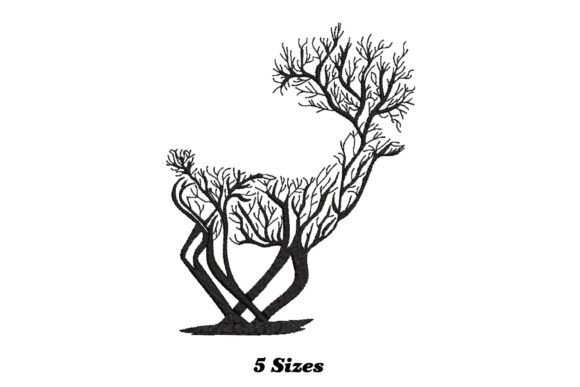
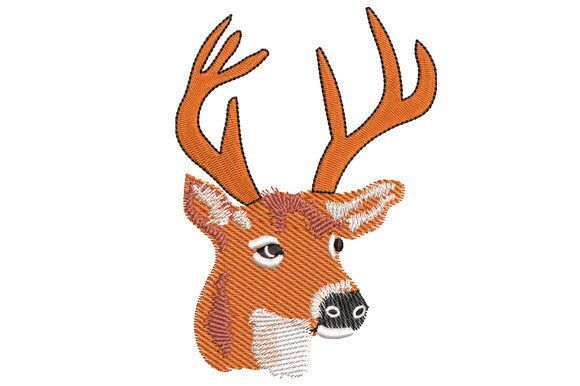
The Deer Head embroidery design immediately feels rustic yet elegant, with a touch of woodland charm. It strikes a perfect balance between bold and soft, making it ideal for a variety of handmade products. As an experienced embroidery designer, I can see how this design would appeal to both craft fair sellers and Etsy sellers looking to offer something unique that speaks to the nature lover in their customers.
This design is not too intricate that it becomes overwhelming, nor is it so simple that it lacks character. Its clean lines and subtle details give it a premium feel without being overly complex. This makes it a great candidate for a wide range of fabric items, from tote bags to pillow covers.
Performance on Craft Fair Products
The Deer Head design shines when placed on handmade products that highlight its natural aesthetic. On tea towel embroidery, it adds a charming focal point that invites buyers to imagine using the item in a cozy kitchen. When embroidered on apron embroidery, it gives the product a whimsical, farmhouse vibe that's highly marketable at craft fairs.
Tote bag design featuring Deer Head works exceptionally well as a statement piece. The design doesn't overpower the bag but instead draws attention to its handmade quality. Similarly, embroidered patches with this design are small enough to be cute accents but large enough to be easily recognizable.
On cap embroidery, the Deer Head maintains its visual appeal while adapting to curved surfaces. For market bags or small pouches, the design brings a sense of personalization that makes each item feel special.
Practical Selling and Production Points
One of the most important aspects of any machine embroidery design is how easy it is to understand at a glance. Deer Head does this well — it’s instantly recognizable and has a strong visual identity. This makes it suitable as both a small accent and a large focal design, depending on the product size.
When it comes to online listings, the Deer Head design photographs beautifully. Its contrast and detail translate well into printable mockups, which are essential for Etsy sellers and small shop products. For commercial embroidery, it’s also repeatable for batch production, provided you test stitch density and thread colors on scrap fabric first.
Careful-Use Notes for Embroidery Designers
While Deer Head is versatile, there are a few things to keep in mind during production. If using thick fabric or textured towels, make sure to use the right stabilizer to avoid puckering. Designs with dense stitch areas may require adjustments in hoop size or stitch density to maintain clarity.
For small lettering or tiny details, ensure that your embroidery file is high resolution and that the thread colors are clearly defined. Also, check if the design loses clarity at smaller sizes — this is especially important for caps or patches.
Before finalizing your finished product, always create at least one real mockup and compare fabric colors under different lighting conditions. These steps help ensure that your craft fair product looks as good in person as it does online.
Design Impact on Visual Appeal and Branding
The Deer Head design enhances visual appeal by adding a touch of nature-inspired elegance to any item. It helps draw customer attention at your booth and increases the perceived product value of handmade goods. This is particularly useful for handmade product lines targeting creative entrepreneurs and digital sellers.
Consistently using Deer Head across your design assets helps build brand consistency. Whether it’s on booth samples or gift items, the design reinforces your brand's identity and makes your products stand out in a crowded marketplace.
Embroidery Designer Tips for Using Deer Head
As a professional embroidery designer, here are some tips to ensure the best results:
- Test the design on scrap fabric before full production.
- Check thread contrast to ensure visibility on different fabric colors.
- Review spacing and adjust as needed for optimal stitch density.
- Confirm hoop size and choose the right stabilizer for your fabric type.
- Inspect stitch density for any potential issues with thick or textured fabrics.
- Create at least one real mockup to evaluate how the design looks in person.
- Compare fabric colors under different lighting conditions to ensure accuracy.
- Confirm commercial licensing before selling finished products.
By following these steps, you can confidently bring the Deer Head design to life in a way that resonates with your audience and stands out at any craft fair or handmade market.